Securing a professional pest control service in Cary ensures that active biological pressures like German cockroaches, subterranean termites, and eastern gray squirrels are controlled using low-impact residential treatments. Homeowners searching for dependable pest control service near me receive structured property assessments that halt interior intrusions while maintaining family safety standards across suburban neighborhoods.

Pest Control Service in Cary is a specialized structural management and insect prevention service that identifies, eliminates, and monitors domestic pests across residential properties in Wake County.
Every service reflects the same meticulous attention to detail, whether it's a single job or a larger pest control service project across Cary.
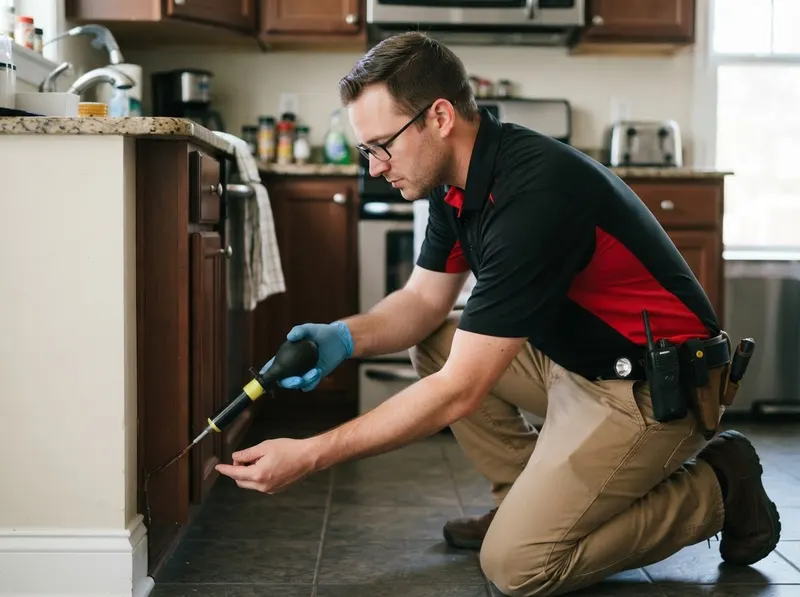
Targeted indoor extraction using non-repellent insect growth regulators and perimeter baseboard micro-injections specifically formulated for German, American, and smokybrown cockroaches infesting kitchen cabinets, crawl spaces, and utility chases. Technicians locate interior nesting harborages behind heavy appliances and mechanical water lines, establishing durable barriers that prevent reproduction cycles without contaminating food preparation surfaces. The application utilizes low-toxicity synthetic pyrethroid sprays along basement sills and under refrigerator drip pans, preventing populations from developing behavioral resistance. Follow-up monitoring traps are positioned along primary plumbing penetrations to verify population collapse over a fourteen-day window, ensuring that egg capsules or hidden juvenile nymphs do not reinfest food preparation zones or bathroom cabinetry.
Get a quote →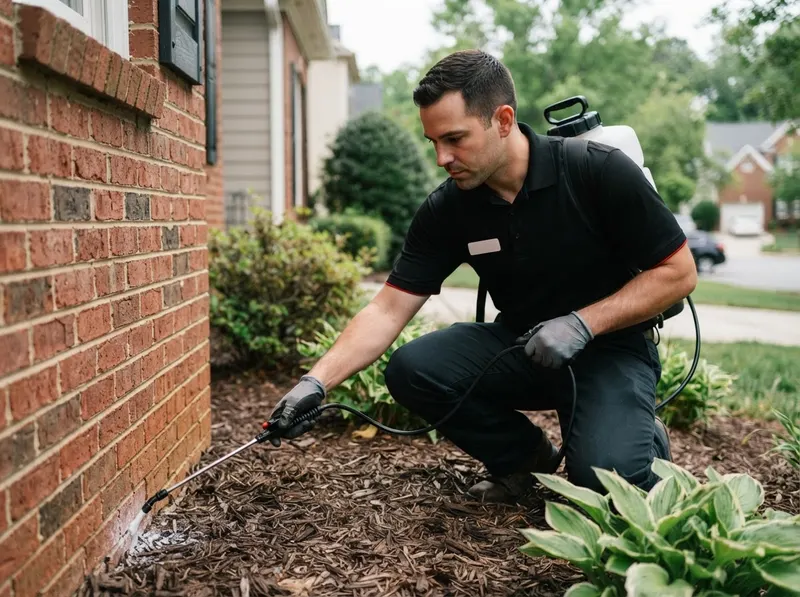
Systemic colony eradication focusing on odorous house ants, acrobat ants, and destructive carpenter ants nesting inside wall voids, window framing, and damp crawl space joists. Applications deploy slow-acting carbohydrate baits alongside non-volatile liquid foundation perimeters that foraging worker ants transport directly back to subterranean queens, halting recurrent structural wood excavation. In properties with mature pine overhangs, technicians treat structural fascia boards, roof flashing, and subfloor framing where carpenter ants excavate smooth nesting galleries inside softened framing lumber. Perimeter liquid bands placed three feet up exterior masonry walls and five feet outward into ground mulch interrupt chemical pheromone trails, preventing secondary outdoor satellite colonies from establishing bridging networks through weep vents or foundation siding joints.
Get a quote →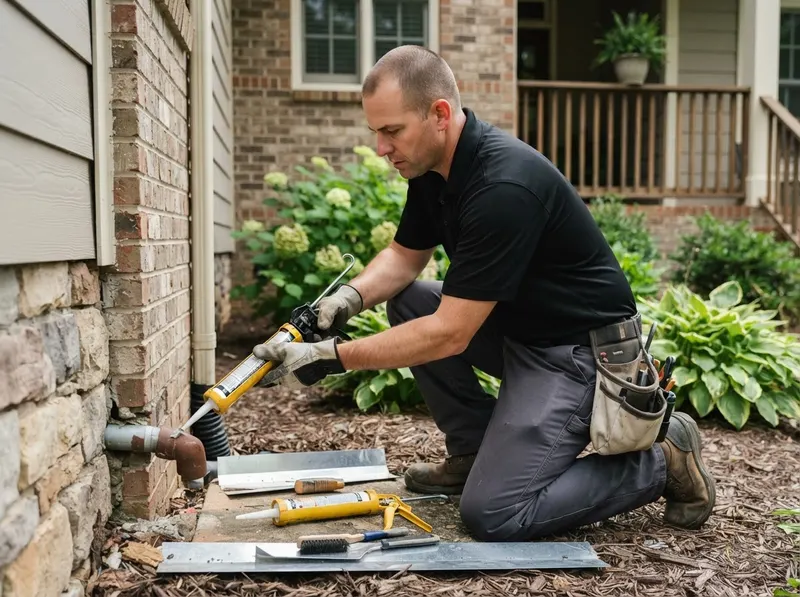
Full structural defense against Norway rats, roof rats, and field mice through heavy-gauge galvanized hardware cloth installation, architectural foam gap sealing, and exterior weep-hole screening. Field technicians survey roofline soffits, crawl space vents, and garage door weatherstripping, systematically closing entry apertures wider than one-quarter inch before establishing monitored tamper-resistant trapping stations. Technicians target common architectural gaps where HVAC refrigeration lines penetrate brick veneer, sealing junctions with copper mesh and elastomeric sealants that withstand gnawing pressure. Interior attic cavities undergo inspection for contaminated blown fiberglass insulation and sebum trail markings along structural ceiling joists, followed by targeted mechanical trapping cycles that clear resident rodent populations within seventy-two hours of barrier placement.
Get a quote →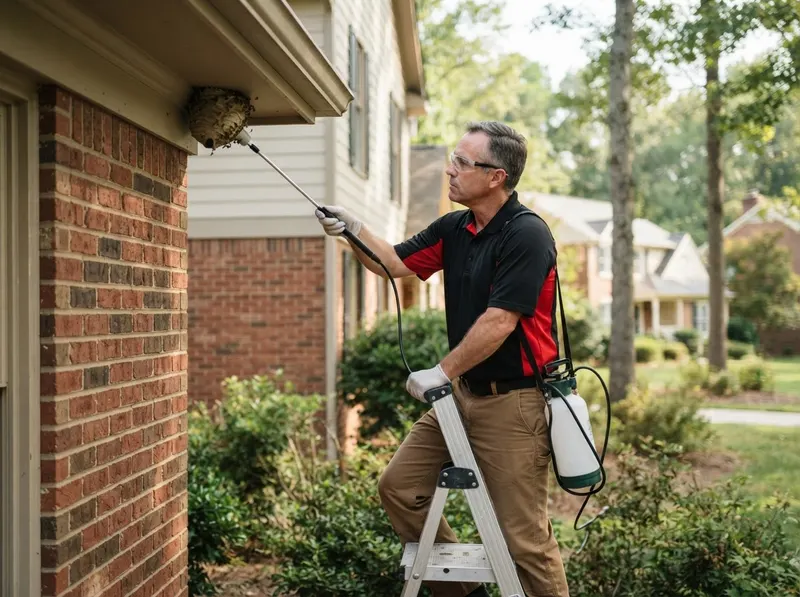
Physical removal and residual insecticidal dusting for paper wasp nests, bald-faced hornet aerial structures, and yellowjacket ground burrows around residential fascias, deck overhangs, and soffit lines. Technicians eliminate active stinging threats utilizing telescoping extension gear and localized treatments that deter satellite queens from re-establishing nests on exposed architectural woodwork. Treatments target deep nesting cavities in exterior louvered attic vents, hollow metal gate posts, and elevated second-story gutter boards without requiring hazardous ladder placements. Ground-nesting yellowjackets situated in landscape timbers or turf perimeters are neutralized using micro-fined pyrethrin dusts that penetrate deep into subterranean chambers, preventing territorial defensive swarming behaviors that threaten children and family pets utilizing outdoor living spaces.
Get a quote →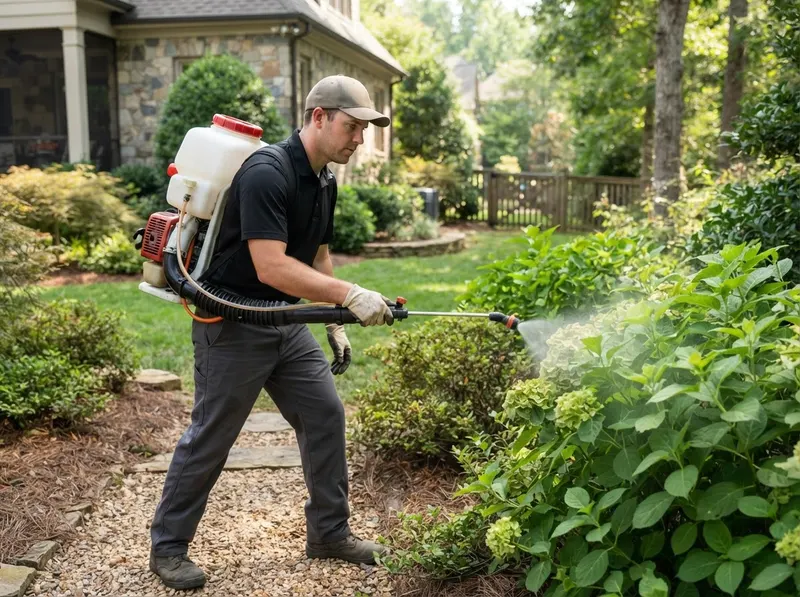
Seasonal foliage misting and standing-water larvicide distribution designed to interrupt the life cycle of Asian tiger mosquitoes across shaded residential turf and ornamental shrubbery. Barrier treatments bond to the undersides of broadleaf landscaping plants, reducing biting adult populations from April through September while leaving beneficial pollinators unharmed during peak flowering intervals. Specialized backpack atomizers deposit micro-encapsulated water-based solutions across shaded resting zones, dense ivy groundcovers, and beneath elevated wooden decks where adult mosquitoes harbor during daytime heat. Technicians apply organic Bacillus thuringiensis israelensis biological briquettes to standing water reservoirs, drainage swales, and corrugated gutter runoff lines, killing mosquito larvae before emergence into biting adult populations.
Get a quote →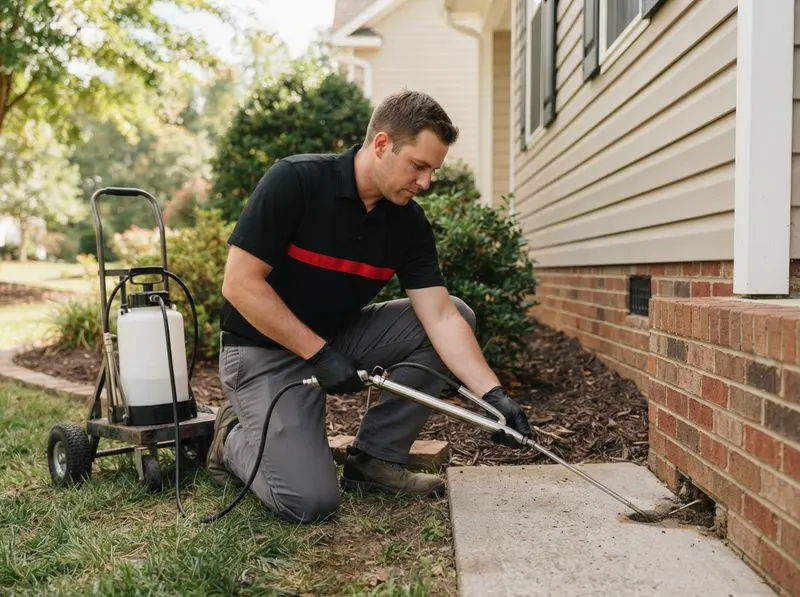
Curative and preventative subterranean termite remediation using liquid termiticide trenching along foundation footers paired with subterranean monitoring bait stations spaced at ten-foot intervals. Technicians address crawl space mud tubes and structural sill plate damage, providing documented structural wood protection that satisfies lending institution mortgage transfer criteria. Technicians dig continuous trenches measuring six inches wide by six inches deep directly adjacent to exterior foundation walls, applying non-repellent termiticide solutions that foraging worker termites track back to subterranean brood chambers. Crawl spaces with dirt floors receive targeted ground rod injections along supporting masonry piers and plumbing penetrations, halting termite shelter tube construction and protecting structural subflooring from irreversible structural decay.
Get a quote →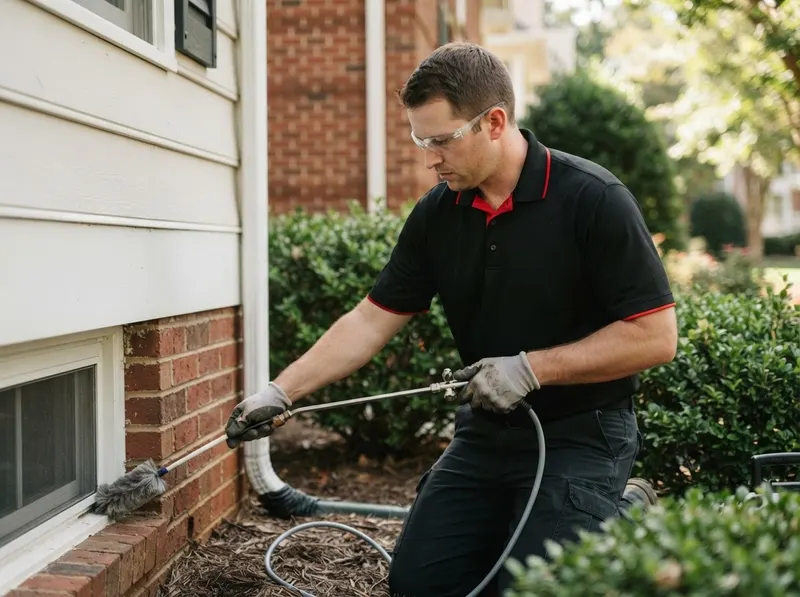
Specialized mechanical de-webbing and exterior foundation barrier spraying aimed at reducing cellar spiders, wolf spiders, and medically significant species like black widows and brown recluses. The service clears web networks from window framing, porch ceiling joints, and basement corners, while applying perimeter micro-encapsulated treatments that curtail the primary insect food sources sustaining arachnid populations. Technicians employ specialized telescopic brushing tools treated with natural repellent oils to sweep outdoor lighting fixtures, soffit overhangs, and crawl space access wells clean of egg sacs and cobwebs. Exterior perimeter applications create an invisible barrier across ground entryways and masonry gaps, discouraging hunting species from transitioning into finished living areas as nocturnal insect activity peaks during late summer.
Get a quote →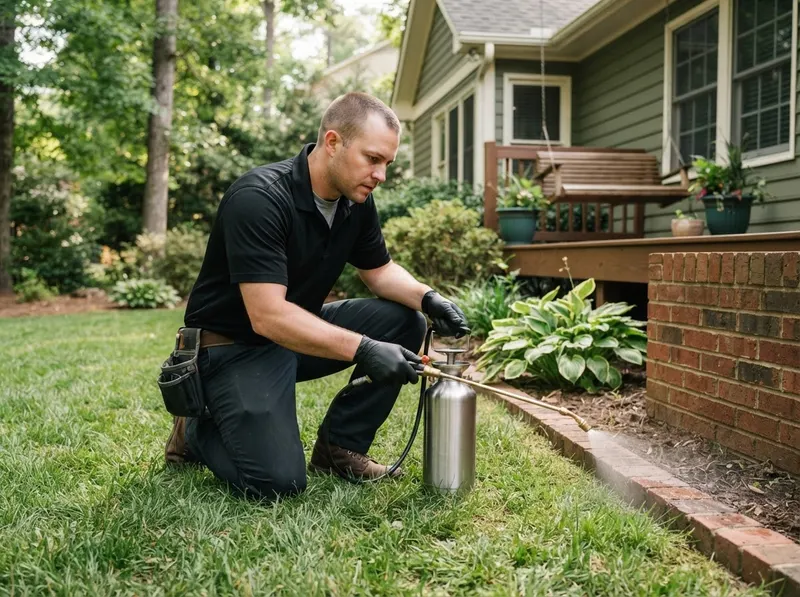
Dual-action indoor carpeting remediation and perimeter turf applications targeting active adult ectoparasites and developing larval stages around family living areas. Technicians combine synthetic pyrethroid treatments with residual juvenile hormone inhibitors that break the environmental flea life cycle within subflooring, pet sleeping areas, and shaded exterior yard perimeters. Exterior treatments focus on low-lying brush, shaded dog runs, and leaf-litter transition zones where blacklegged ticks and lone star ticks wait on vegetation tips for passing mammalian hosts. Indoor protocols combine low-moisture aerosol spot treatments across baseboards and upholstered furniture seams with high-efficiency particulate air vacuums, halting flea pupae emergence and preventing painful biting outbreaks across family living zones.
Get a quote →You get a firm, itemized quote for your pest control service before any work begins, no surprises, no pressure.
Careful prep, tidy work, and a full cleanup when we are done. We treat your home and belongings like our own.
The same trusted, background-checked team from the first call to the final check.
Selecting structural treatments in Wake County depends on insect nesting habits, property grading, and architectural points of entry. If you discover active trailing workers across kitchen counters, bathroom baseboards, or pantry shelving, choose an indoor baiting and exterior targeted barrier treatment. If you identify rustling in drop ceilings, shredded insulation in attic spaces, or chewed crawl space wiring, choose comprehensive mechanical rodent exclusion.
If subterranean moisture issues along masonry stem walls trigger reproductive alate flights in April or May, select specialized non-repellent liquid soil trenching. The primary operational trade-off centers on initial cost versus long-term structural defense: chemical spot treatments carry a lower initial fee starting at $250, but fail to prevent recurrent invasions if foundation entry points remain unsealed, whereas whole-structure exclusion represents a higher initial investment of $1,200 or more while delivering multi-year protection against continuous exterior wildlife migrations. Homeowners evaluating recurring maintenance versus single-incident knockdowns must weigh the local biological pressure: wooded properties bordering greenways experience continuous reinvasion from pine straw mulch and tree canopies, making quarterly exterior defensive barriers far more cost-effective over a three-year period than repeated emergency acute cleanouts.
Conversely, isolated seasonal intrusions such as fall paper wasp aggregations or sudden moisture-driven millipede migrations often require only a single targeted perimeter application without committing household operational budgets to continuous service plans. Clear communication during the initial on-site physical inspection ensures that treatment modalities align precisely with structural vulnerabilities, environmental moisture zones, and specific household risk factors.
Every project gets a firm, written price after a free on-site visit. Ranges below for orientation.
Tell us about your pest control service job and we'll send a clear, written quote, usually the same day. Or just call and talk to a real Cary pro.
(984) 306-0047
Properties built alongside dense pine and hardwood canopies near Fred G. Bond Metro Park, Koka Booth Amphitheatre, and Hemlock Bluffs Nature Preserve face elevated environmental pest pressures throughout the year. The heavy, moisture-retentive clay soils across western Wake County create ideal subterranean corridors for eastern subterranean termites and shelter damp-loving smokybrown roaches within foundation perimeter mulch beds. Additionally, residential developments surrounding Downtown Cary Park and WakeMed Soccer Park experience predictable autumn rodent shifts as ambient temperatures drop across the Piedmont, driving field mice into warm crawl spaces and ventilated attics. Subdivision architecture throughout established developments like Preston, MacGregor Downs, and Lochmere frequently includes extensive architectural trim, screened porches, and mature pine straw landscaping that channels foraging carpenter ants and mud daubers directly toward rooflines and crawl space foundation vents. Technicians operating along the NC-54 corridor, Cary Parkway, and High House Road adjust chemical barrier compositions to account for clay-binding dynamics and Piedmont storm runoff patterns, ensuring long-lasting exterior residual defense without product migration into municipal storm basins or environmentally protected community lake systems.
Free estimates for Cary & the surrounding area.
 Copper Bell Pest Control